
Agricultural intensification
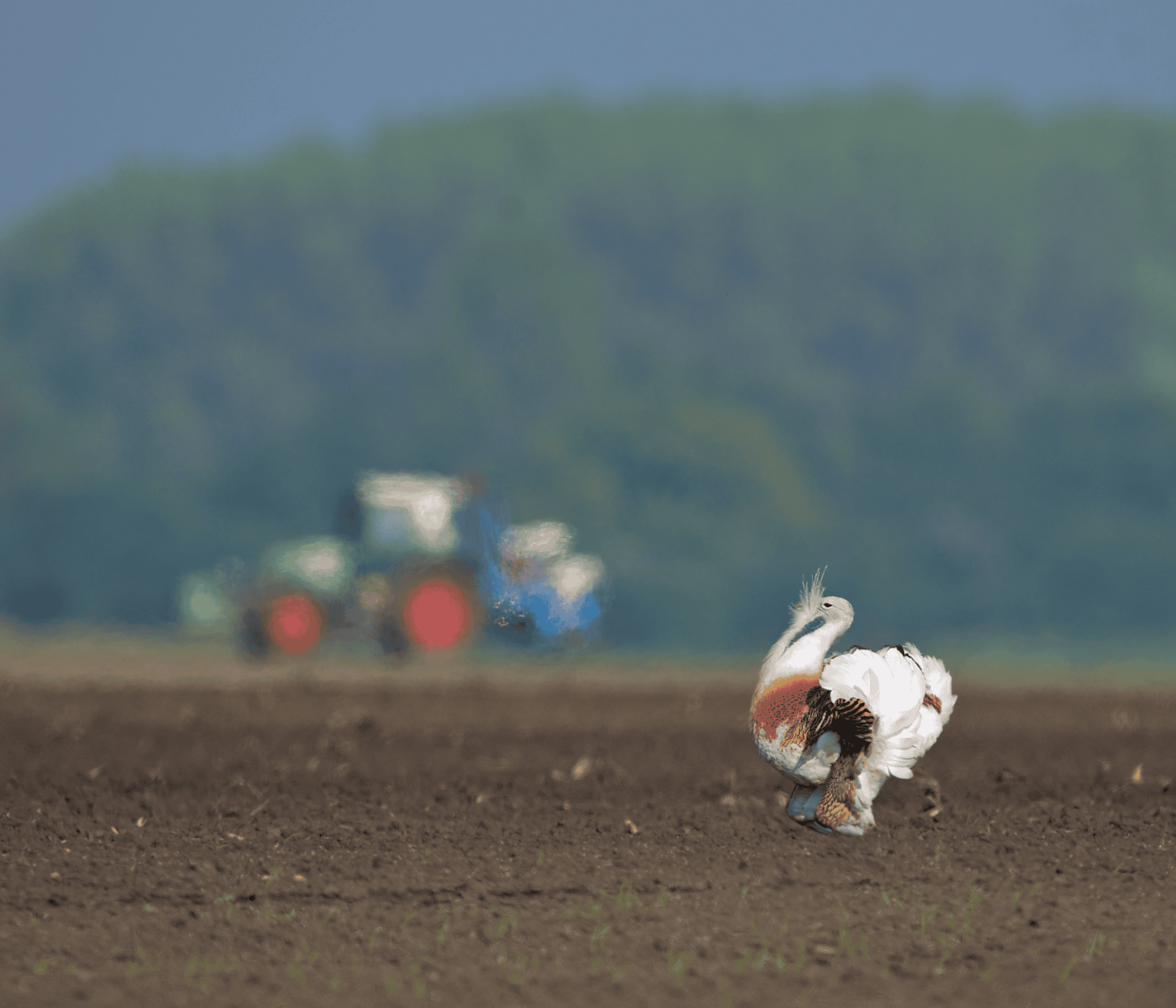
The shift from traditional, extensive farming to intensive agriculture has caused major habitat loss for the Great and Little Bustard and other farmland birds...
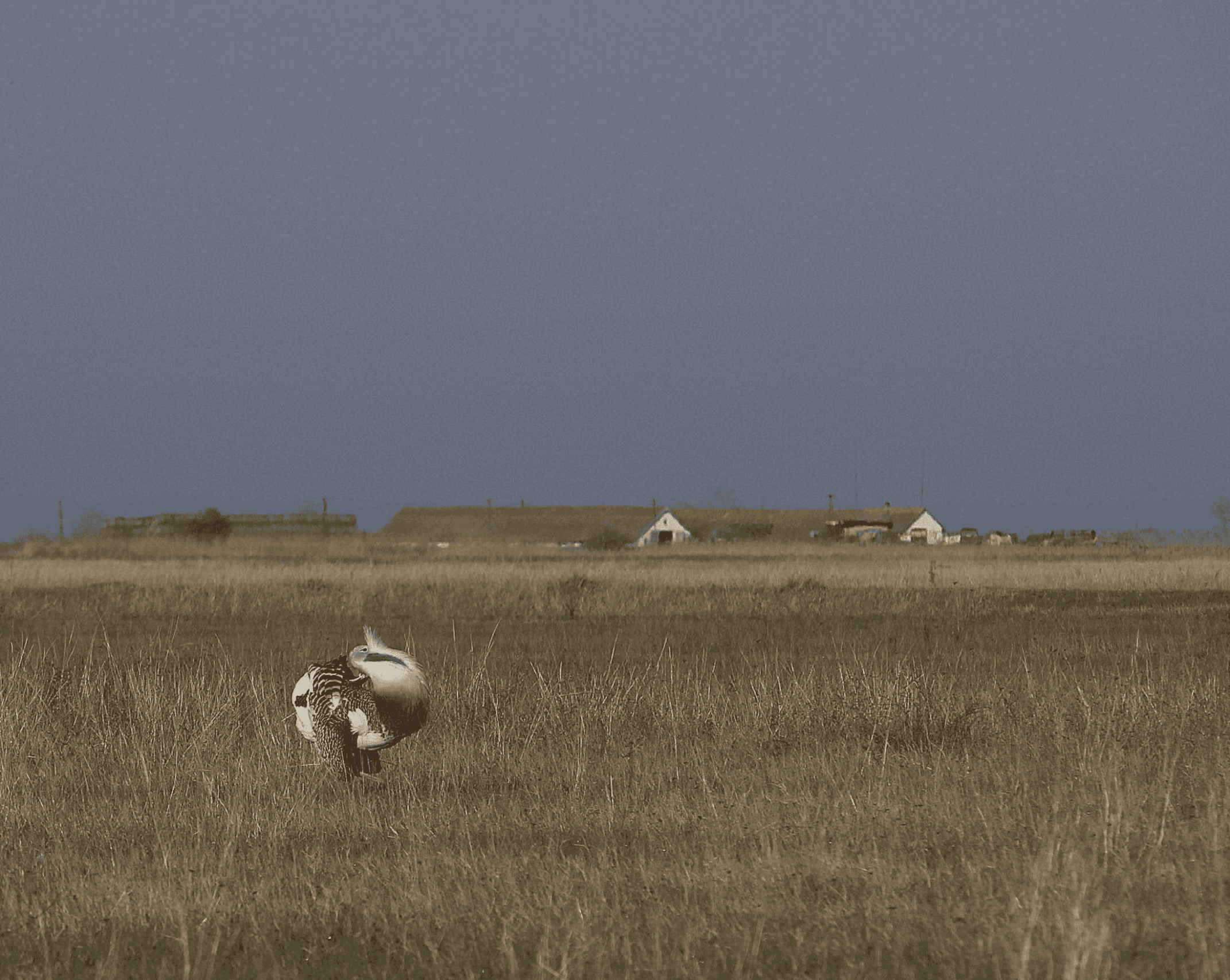
The shift from traditional, extensive farming to intensive agriculture has caused major habitat loss for the Great and Little Bustard and other farmland birds. Natural grasslands and fallows have disappeared, while irrigation and woody crops have expanded. At the field level, heavy tilling and the use of fertilizers and pesticides have drastically reduced plant and insect diversity, limiting food and nesting opportunities. Modern harvesting machinery also leads to the death of females and chicks and the destruction of nests. Across Europe, agricultural policies promoting intensification have further degraded farmland habitats, posing a severe threat.
Collision
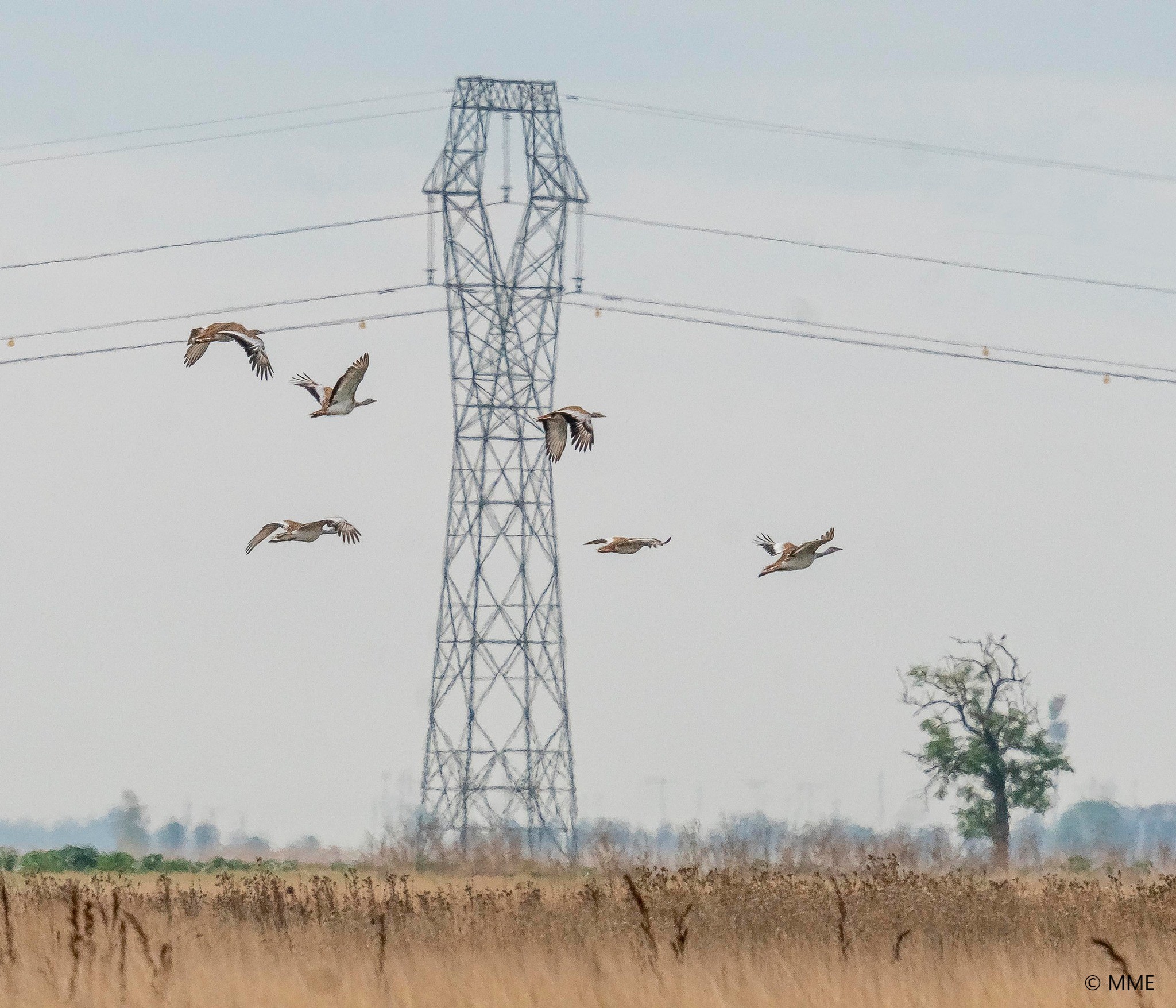
Collisions with power lines, fences, roads, and other man-made structures are a major cause of mortality for Great Bustards. Due to their limited frontal vision and large body size,...
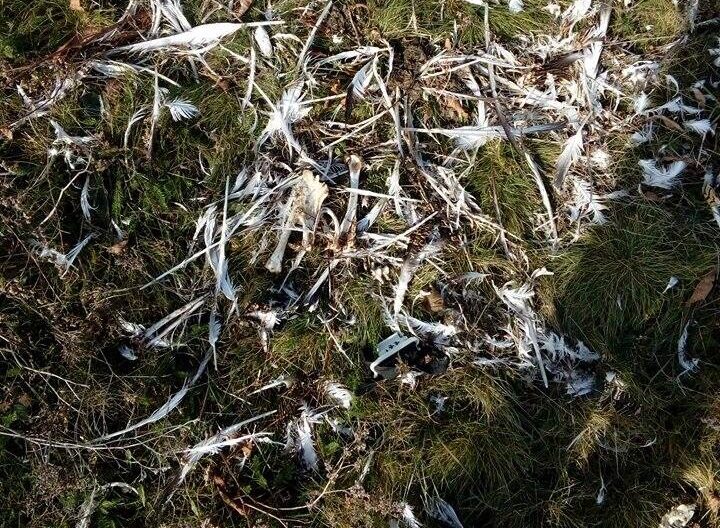
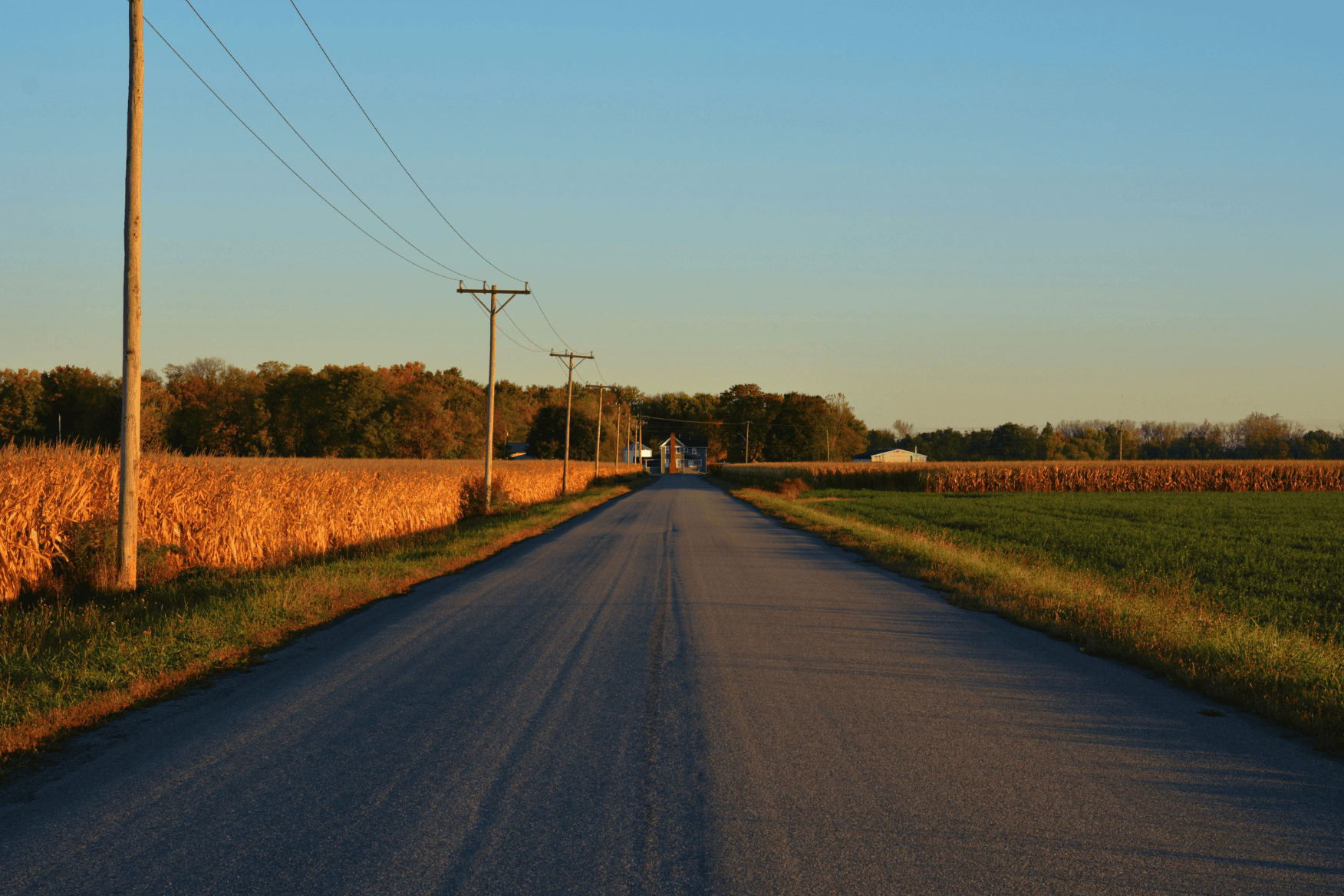
Collisions with power lines, fences, roads, and other man-made structures are a major cause of mortality for Great Bustards. Due to their limited frontal vision and large body size, they often fail to detect obstacles in time, especially during flight between feeding and breeding areas. Impacts can cause instant death or fatal injuries, while injured birds are vulnerable to predation. Their regular flight movements and tendency to gather near risky areas further increase their exposure to collision hazards.