Cross-border protection of the Great Bustard in Central Europe
Project duration:
July 2016 - October 2024
Project budget:
8,399,265 €
Coordinating beneficiary:
Österreichische Gesellschaft Großtrappenschutz (OGG)
LIFE
LIFE Nature and this measure have the aim to protect endangered species and habitats based on the EU Birds and Fauna-Habitat-Directive of the destination. The protected area network Natura 2000 contributes Europe helping to preserve the diversity of wild plant and animal species and their habitats.
Concept and Objectives
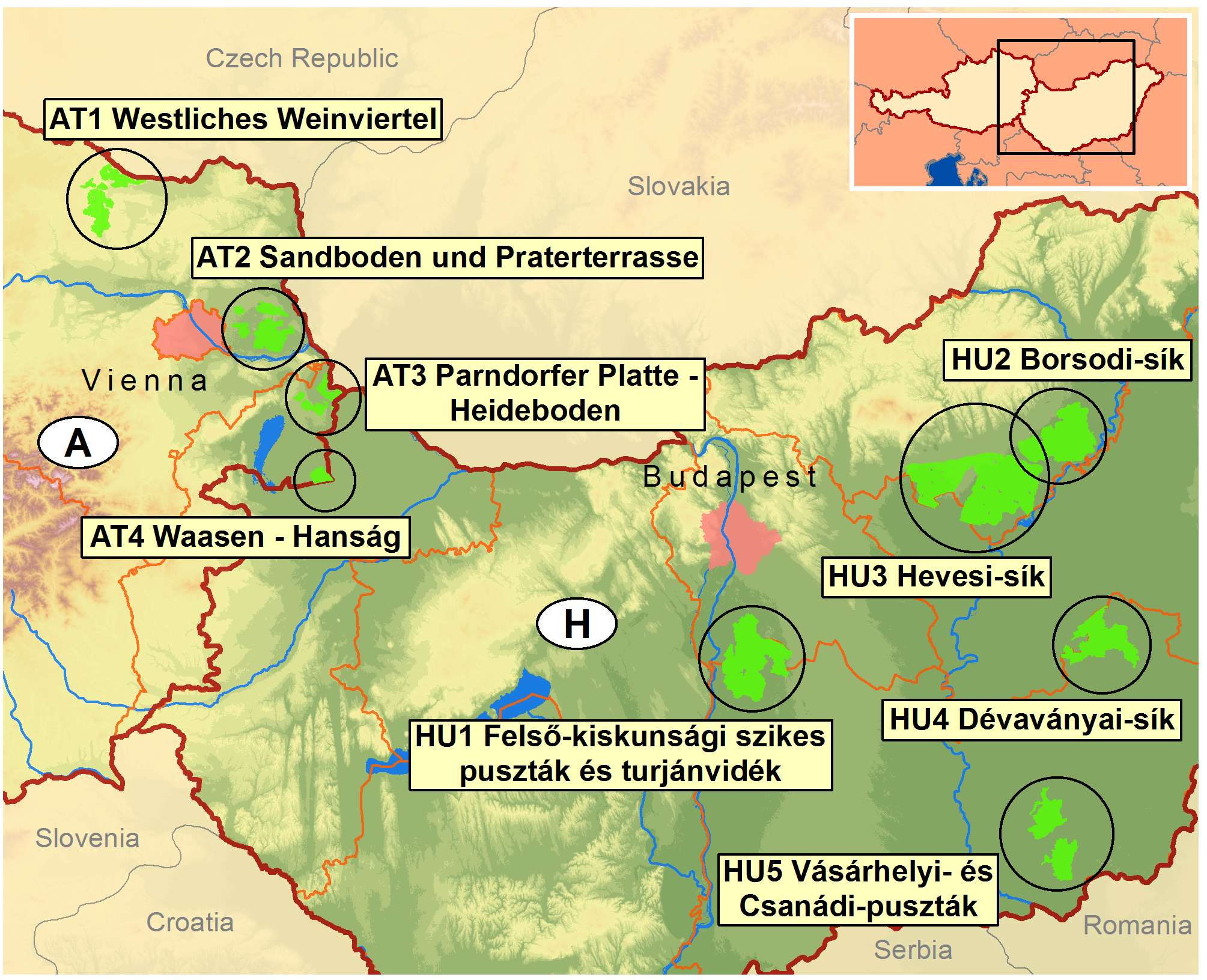
Building on the successes of previous Austrian and Hungarian LIFE and LIFE+ projects, the largest LIFE project for Great Bustards in Central Europe was launched in July 2016. For the first time, Austria and Hungary implemented joint cross-border measures to:
- Improve habitat quality
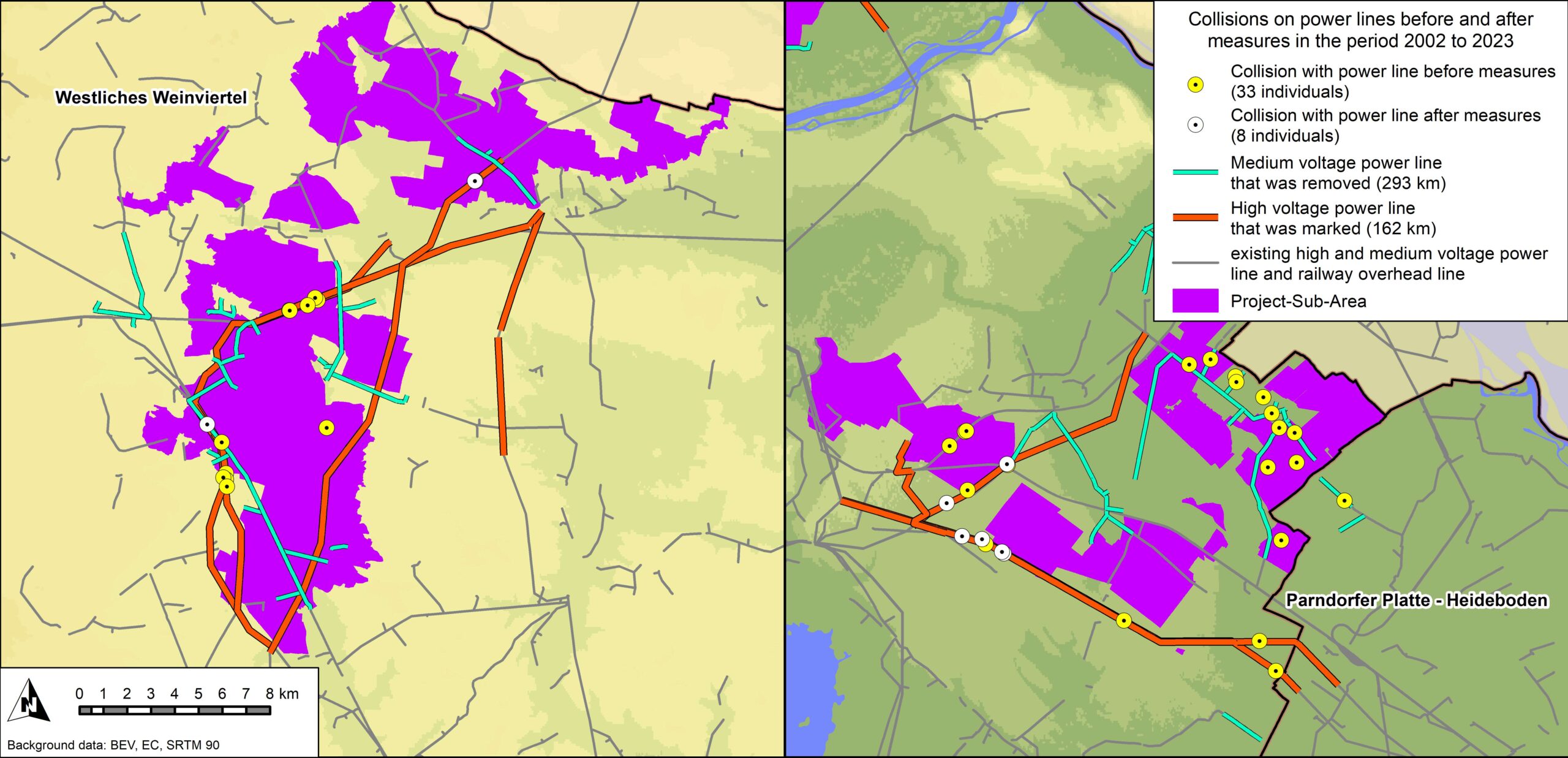
- Reduce the main unnatural cause of mortality, collisions with overhead power lines
- Strengthen coordination with neighbouring countries (Germany, Slovakia, Czech Republic, Serbia) to ensure effective conservation and prevent local population extinctions.
Implemented measures
Powerline mitigation
Underground cabling
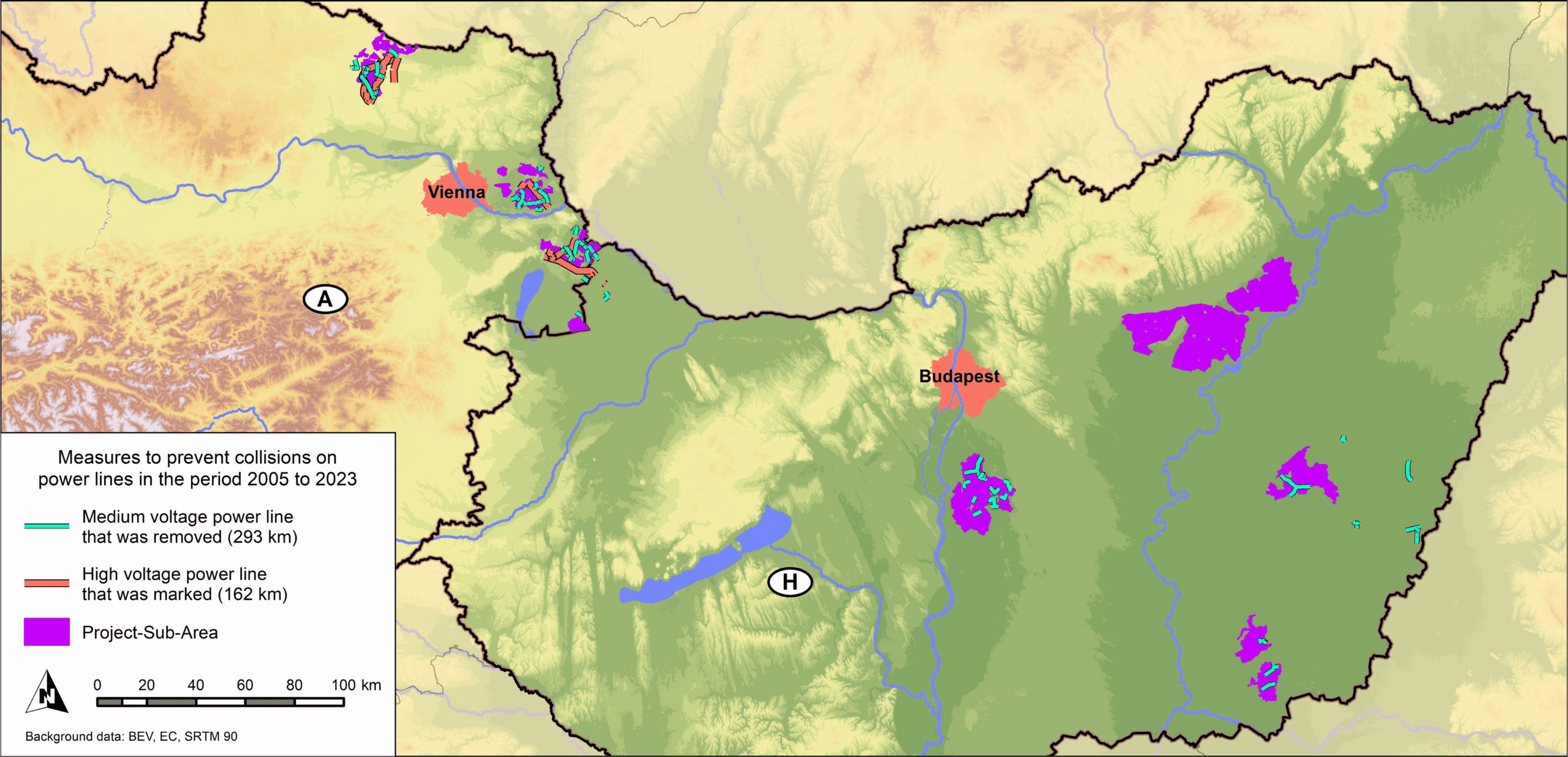
A total of 86.5 km of medium-voltage power lines were buried (58.03 km in Austria, 28.47 km in Hungary), 45 km more than initially planned.
Tagging and Monitoring
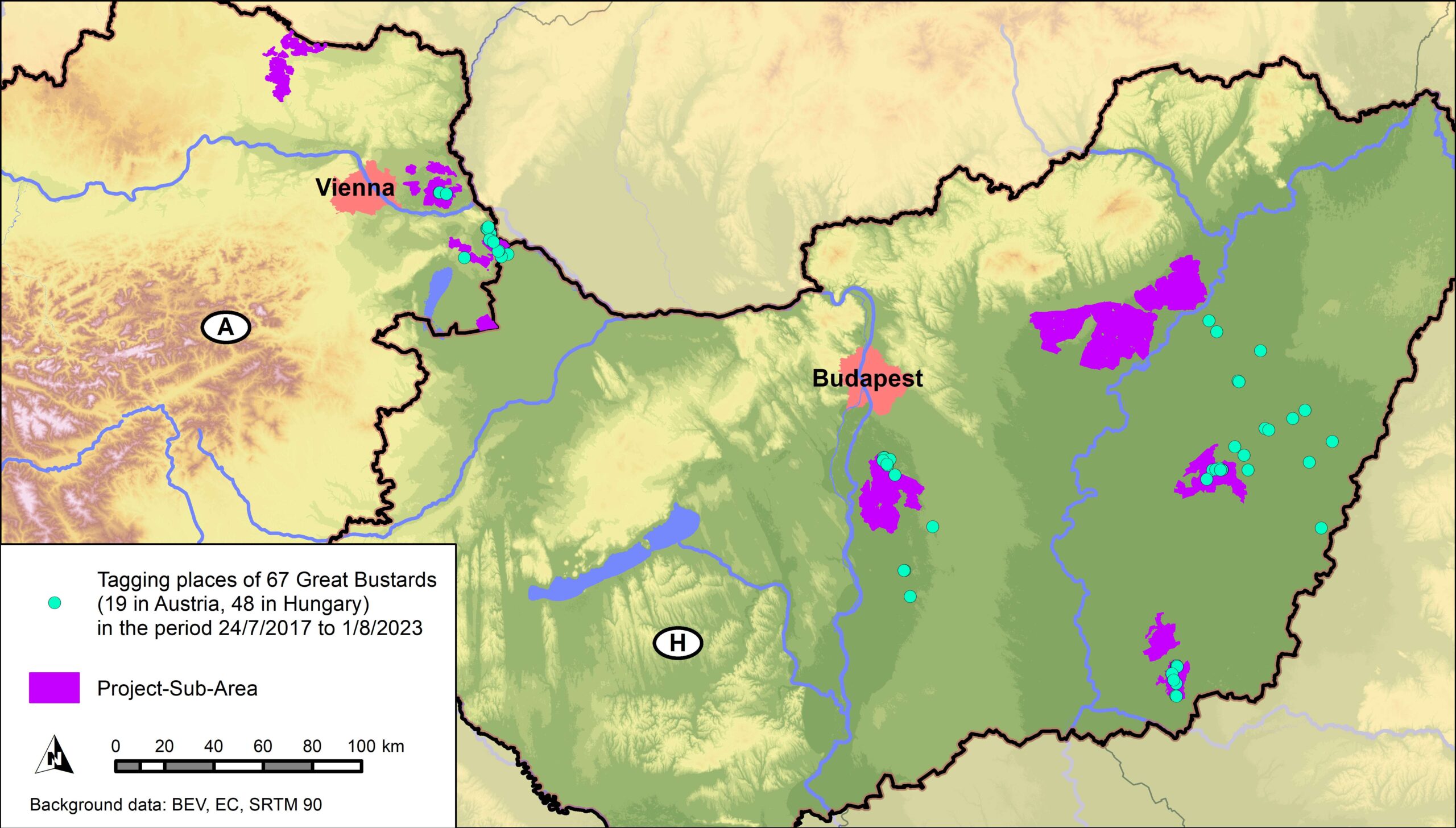
67 Great Bustards were tagged to study habitat use and behaviour.
Populations and habitats were monitored across all project areas, in close cooperation with local communities.
In Hungary, other species—including mammals and protected ground-nesting birds—were monitored to assess socio-economic impacts.
Raising Awareness
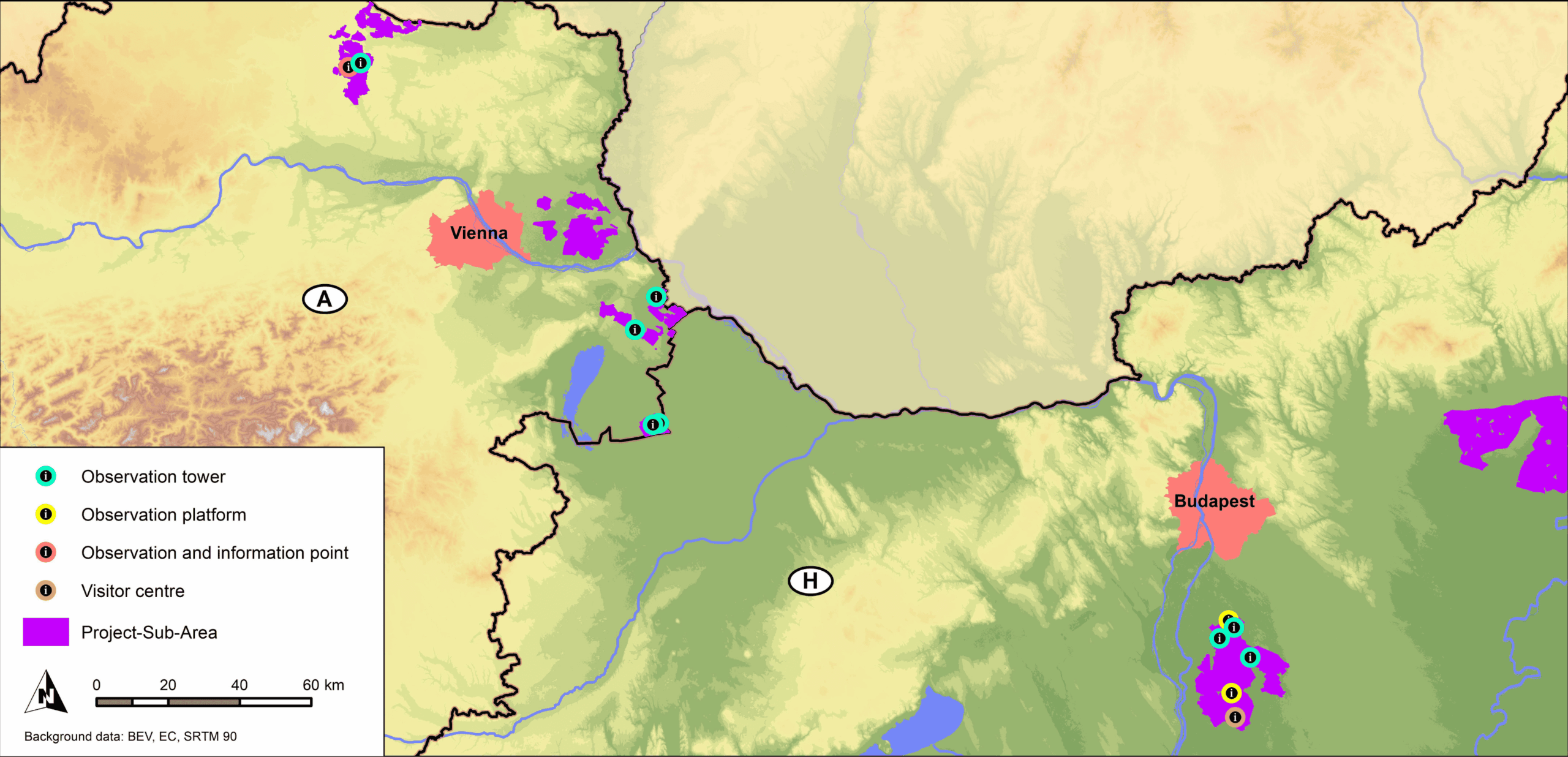
A visitor centre was established in Kunszentmiklós, Hungary, providing a venue for conferences and training.
A nature trail with at least 5 viewpoints of the Kinskunság Natura 2000 protected area (Hungary) was created.
In Austria, a new observation tower was built, and existing towers were renovated to facilitate public engagement and education.
Population impact
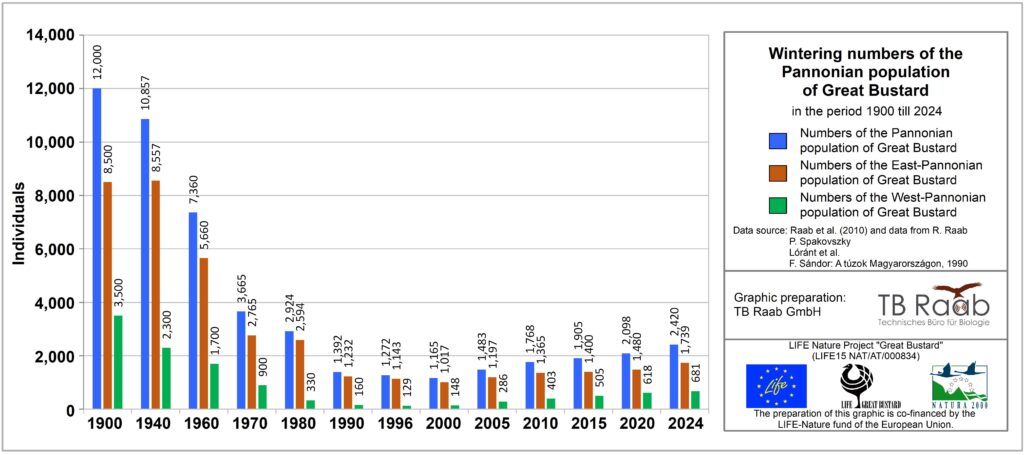
Combined with efforts outside the LIFE project, roughly 293 km of medium-voltage lines in bustard habitats have been undergrounded in Austria and Hungary over the last 20 years, significantly reducing collision risks. As a result, the Westpannonian great bustard population increased from 463 individuals in the winter of 2017 to 681 individuals in the winter of 2024.